
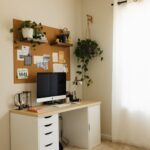





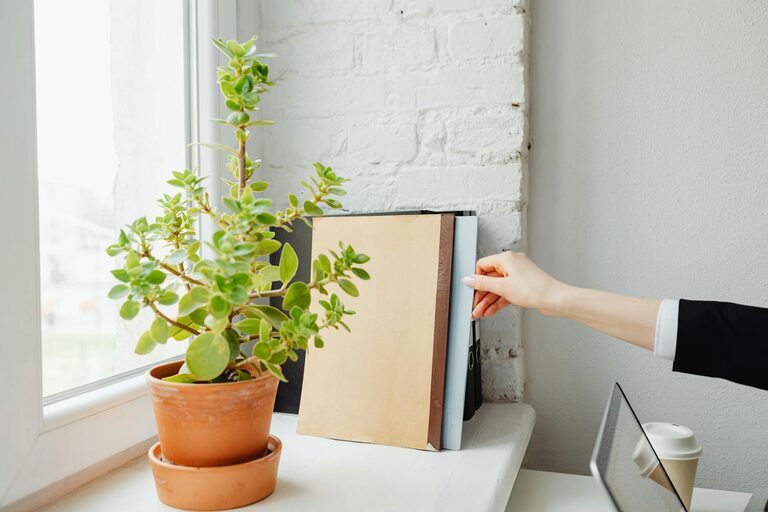
Creating a home office that is both sustainable and organised is a goal worth pursuing. A thoughtfully designed workspace can help improve focus, reduce waste, and make your daily routine more enjoyable. Whether you are working from home full-time or need a designated spot for occasional tasks, these tips will help you build an environment that supports your work and the planet.
Why Sustainability and Organisation Matter in a Home Office
Sustainability in the home office means making choices that minimise environmental impact. This includes selecting eco-friendly materials, reducing energy consumption, and managing waste wisely. Organisation, on the other hand, focuses on creating a clutter-free, efficient space that fosters productivity and reduces stress.
Both elements go hand in hand: a tidy, well-designed office makes it easier to maintain sustainable habits, while sustainable choices can bring harmony and simplicity to your setup.
Choosing Sustainable Furniture and Equipment
When selecting furniture and office equipment, prioritise products made from sustainable or recycled materials. Here are some ideas:
– Opt for second-hand or vintage furniture: Buying pre-loved desks, chairs, and storage pieces prevents demand for new production and often brings unique style to your space.
– Look for FSC-certified wood: The Forest Stewardship Council certifies wood harvested responsibly from well-managed forests.
– Metal and glass options: These materials are often recyclable and durable alternatives to plastic.
– Energy-efficient electronics: Choose devices with good energy ratings and power-saving features. Consider getting a power strip to switch everything off when not in use.
Maximising Natural Light and Improving Air Quality
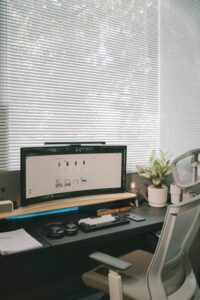
Natural light benefits your mood, eyesight, and overall health. Make the most of it by positioning your desk near a window if possible. Avoid harsh glare by using adjustable blinds or sheer curtains.
To enhance air quality:
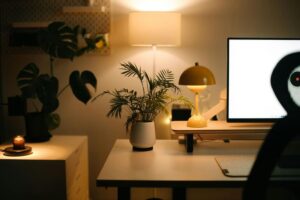
– Add indoor plants known to filter air, such as spider plants, snake plants, or peace lilies.
– Keep your workspace well ventilated by opening windows regularly.
– Avoid synthetic air fresheners that emit harmful chemicals. Opt for natural alternatives like essential oil diffusers or beeswax candles.
Decluttering and Organising Your Workspace
A clutter-free desk helps you focus and feel in control. Here are some tips to organise your home office effectively:
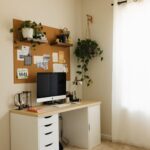
– Use storage solutions: Shelves, filing cabinets, boxes, and drawer organisers keep documents and supplies in order.
– Implement a paper management system: Digitise documents to reduce paper clutter. Use a filing system for the essentials you need to keep.
– Keep daily essentials within reach: Pens, notebooks, chargers, and calendars should have designated spots.
– Maintain a daily tidy-up habit: Spend five minutes at the end of each day putting things back in place.
Reducing Waste in Your Home Office
To keep your office low-waste:
– Use refillable pens and avoid single-use plastic items.
– Choose recycled or FSC-certified paper, and print only when necessary.
– Recycle your office paper, cardboard, and packaging properly.
– Donate or sell old electronics and furniture instead of throwing them away.
Creating a Comfortable and Personalised Space
Sustainability is also about well-being. A comfortable space encourages longer, more focused work sessions:
– Invest in an ergonomic chair and desk arrangement to support posture and reduce strain.
– Use cushions, footrests, or standing desk converters if needed.
– Add personal touches like photos, artwork, or souvenirs to make your office inviting.
– Keep a water bottle nearby to stay hydrated naturally instead of relying on disposable cups.
Using Digital Tools to Stay Organised
Technology can enhance your organisation and reduce paper use:
– Use apps and software for task management, calendars, and note-taking.
– Set reminders for breaks and deadlines.
– Share files online instead of printing them.
Energy-Saving Habits
Small adjustments can reduce your office’s energy consumption:
– Turn off monitors and equipment when not in use.
– Use energy-efficient LED bulbs with adjustable brightness.
– Consider a programmable thermostat if your office is in a separate room.
– Use natural ventilation rather than relying solely on air conditioning or heating.
Conclusion
Designing a sustainable and organised home office is achievable with mindful choices. Focus on eco-friendly furniture, efficient lighting, air quality, and clutter reduction while incorporating tools and habits that improve your comfort and productivity. Your workspace can be beautiful, functional, and green all at once — helping both you and the environment thrive.
Start with small changes today and gradually build a home office that supports your work and sustainability goals.