

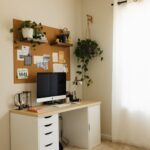

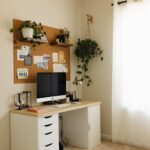




Creating a home office that feels both cosy and functional can make a world of difference to your working-from-home experience. Whether you have a dedicated room or a small corner, setting up a space that supports focus while providing comfort is key to staying productive and enjoying your day. In this post, we’ll explore practical tips to help you design the perfect home office.
1. Choose the Right Location
Finding the best spot for your office is the first step. Ideally, select a quiet area with natural light. This not only boosts your mood but helps reduce eye strain.
– Avoid high-traffic zones to minimise distractions.
– Near a window is great for natural daylight and fresh air.
– If space is limited, consider a corner of your living room or bedroom, but try to carve out clear boundaries.
2. Invest in a Comfortable Chair and Desk
A good chair and desk are essential for comfort and health, especially if you spend long hours working.
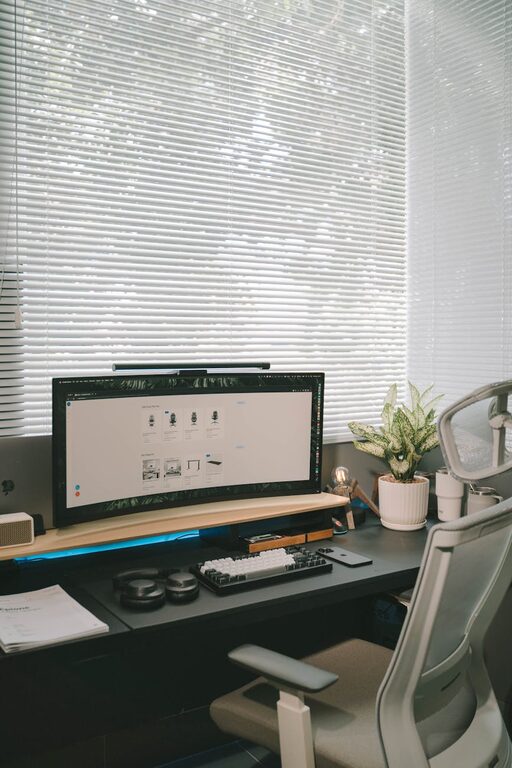
– Look for an ergonomic chair that supports your back.
– Ensure your desk is at the right height – your elbows should be at about 90 degrees when typing.
– Adjustable furniture can be valuable for flexibility.
3. Optimise Lighting
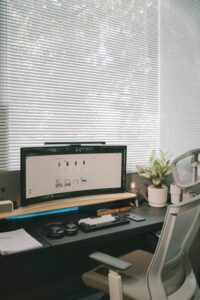
Proper lighting reduces eye strain and keeps you alert. Combining natural and artificial light is best.
– Use sheer curtains to soften sunlight.
– Position your desk near a window whenever possible.
– Desk lamps with adjustable brightness help during darker hours.
– Avoid glare on your screen by placing the light source at an angle.
4. Keep Technology Organised
A functional office needs a tidy tech setup.
– Use cable organisers to keep wires neat and out of sight.
– Consider a docking station if you use a laptop.
– Ensure you have reliable Wi-Fi or a wired connection to avoid frustration.
5. Personalise Your Space
A cosy space reflects your personality and makes work more enjoyable.
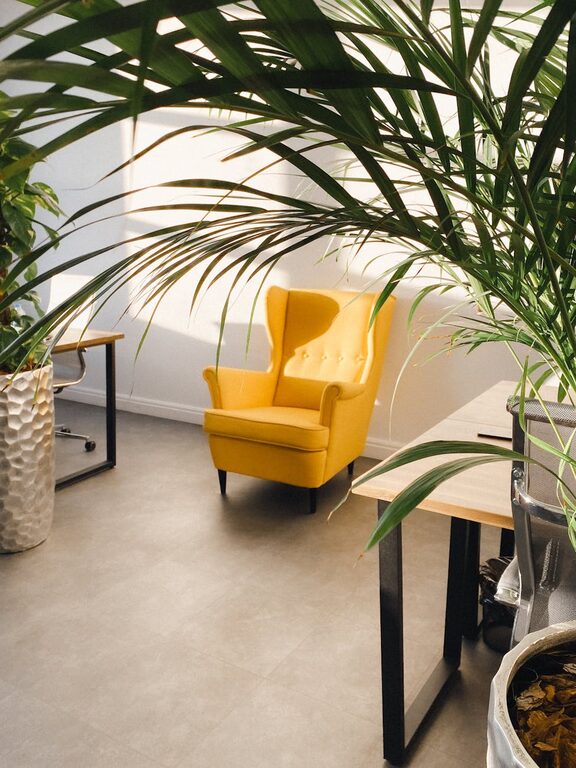
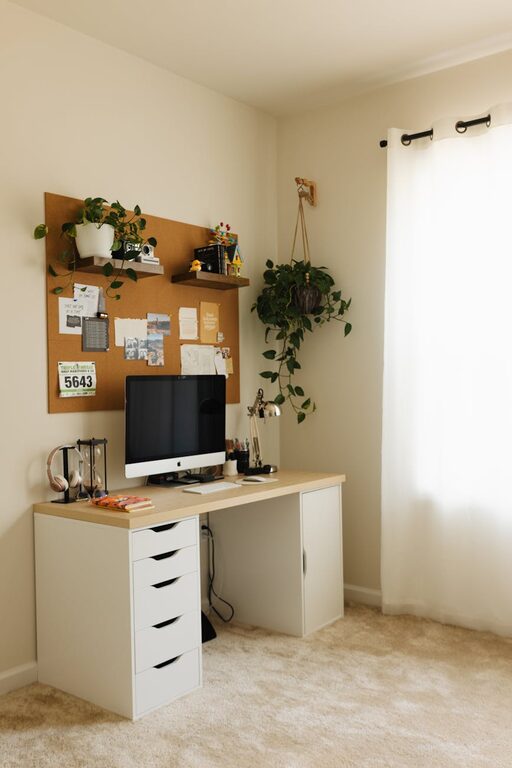
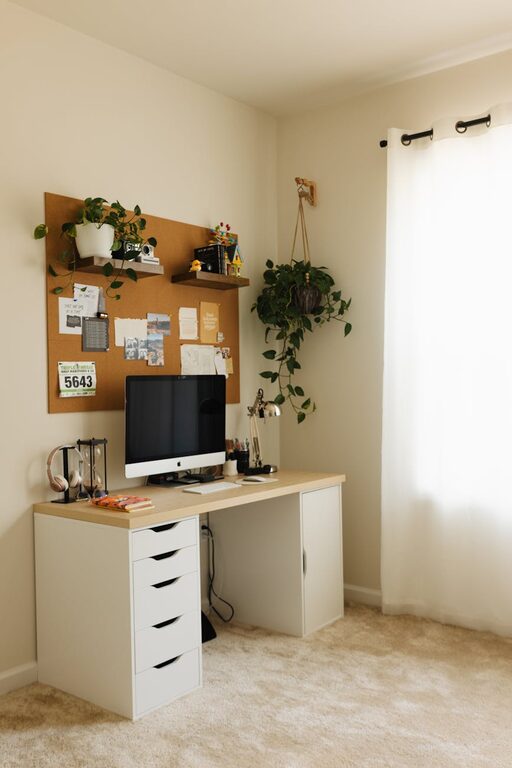
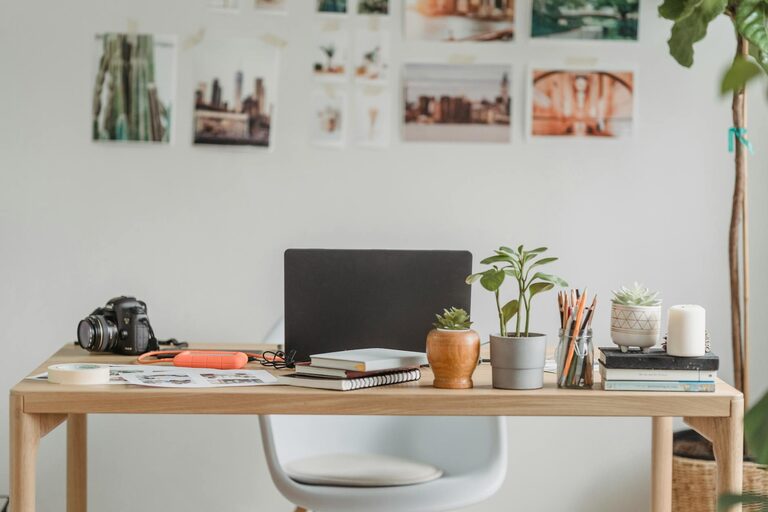
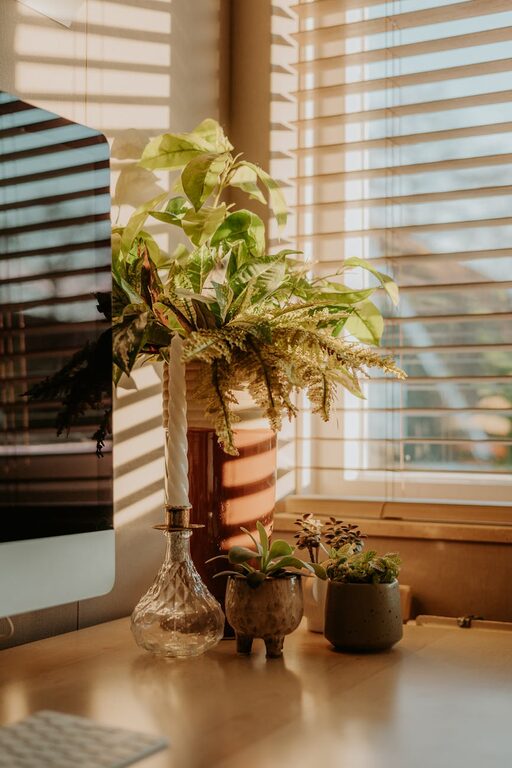
– Add some greenery like small plants, which can also improve air quality.
– Hang art or photos that inspire you.
– Use colours that calm or energise you according to your preference.
6. Declutter and Storage Solutions
A messier workspace can hamper focus, so keep clutter to a minimum.
– Use shelves, filing cabinets, or boxes to organise papers and supplies.
– Keep only daily essentials within arm’s reach.
– Regularly tidy your desk at the end of the day for a fresh start tomorrow.
7. Incorporate Comfort Elements
Adding touches that increase comfort helps maintain productivity over long sessions.
– A soft rug or cushion on your chair can add comfort.
– Keep a blanket nearby for chilly days.
– A small diffuser with essential oils or a candle can create a relaxing atmosphere.
8. Establish a Routine and Boundaries
Your home office should support good work habits.
– Define working hours and stick to them.
– Use your office space only for work to mentally separate professional and personal life.
– Take regular breaks and step away from the screen.
9. Use Sound Control
Noise can be intrusive but manageable with the right approach.
– Noise-cancelling headphones can improve concentration.
– Playing soft background music or white noise can mask distractions.
– Thick curtains and rugs help absorb sound.
Conclusion
Designing a cosy and functional home office is about balancing comfort with organisation. With the right location, furniture, lighting, and personal touches, you can create a workspace that inspires productivity and wellbeing. Remember, the best home office is one tailored to your needs, helping you work efficiently while feeling relaxed and comfortable. Give these tips a try, and enjoy your new favourite room in the house!