





In recent years, more people have embraced the flexibility of working from home. While this setup offers many benefits, it also brings challenges—particularly when it comes to creating a workspace that supports both relaxation and productivity. A well-designed home office can make a significant difference to your workday experience, helping you stay focused and feel comfortable throughout long hours.
Here are some effective tips to help you create a relaxing and productive home office environment.
Choose the Right Location
Consider Natural Light
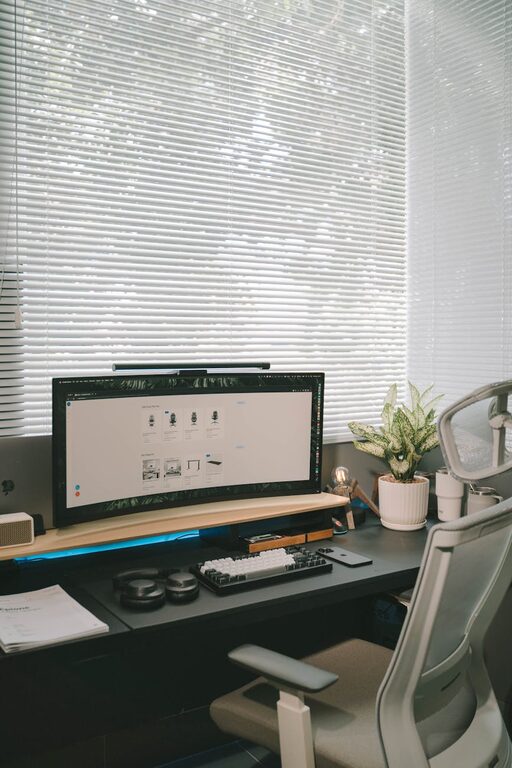
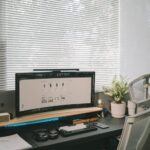
A space with plenty of natural light can improve your mood and alertness. Position your desk near a window if possible to take advantage of daylight. Natural light also reduces eye strain compared to artificial lighting.
Minimise Distractions
Select a quiet corner or room where you’re less likely to be disturbed by household noise or traffic outside. If space is limited, consider using noise-cancelling headphones or white noise machines to block distractions.
Invest in Comfortable and Functional Furniture
Ergonomic Chair and Desk
Long hours seated in an uncomfortable chair can lead to back pain and fatigue. Choose an ergonomic chair that supports good posture and adjust your desk height so your arms rest comfortably at a 90-degree angle when typing.
Decluttered Work Surface
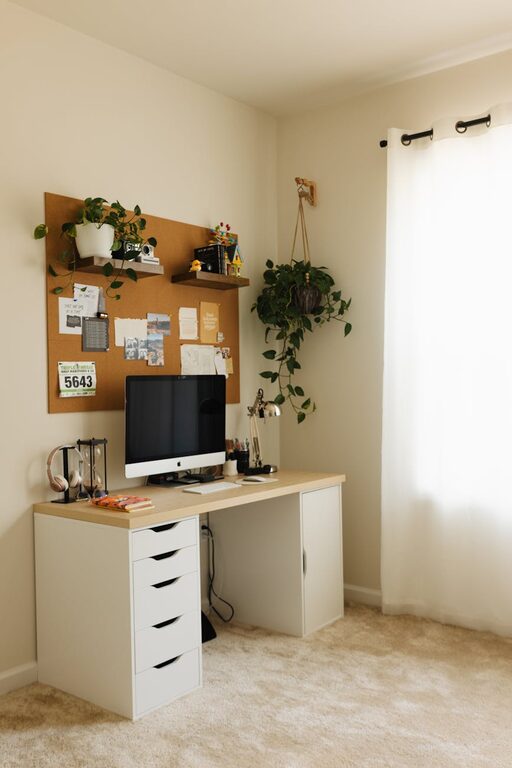
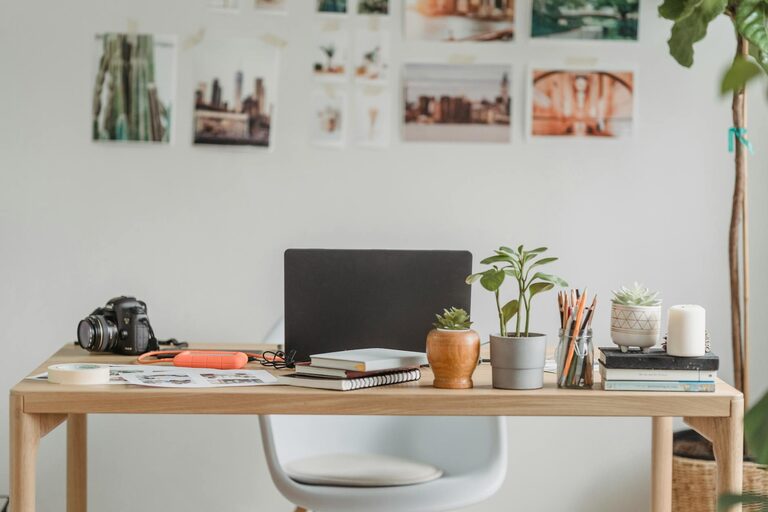
A tidy desk helps maintain focus. Keep only essential items—such as your computer, notepad, and a favourite pen—within easy reach. Use organisers, drawers, or shelves to store other supplies.
Create Calming Surroundings
Colours and Decorations
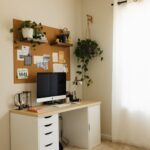
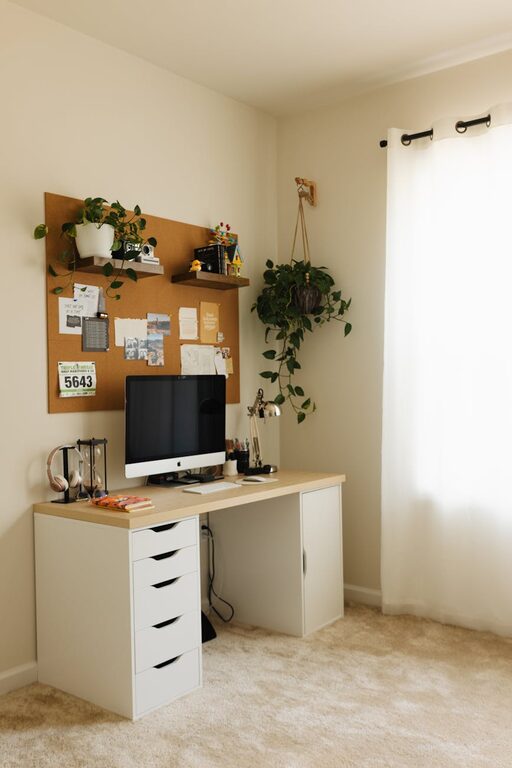
Soft, neutral colours like pale blues, greens, or greys create a calming atmosphere. Avoid bold or overly bright shades that can be distracting. Personal touches such as plants, artwork, or photographs add warmth without cluttering the space.
Include Plants
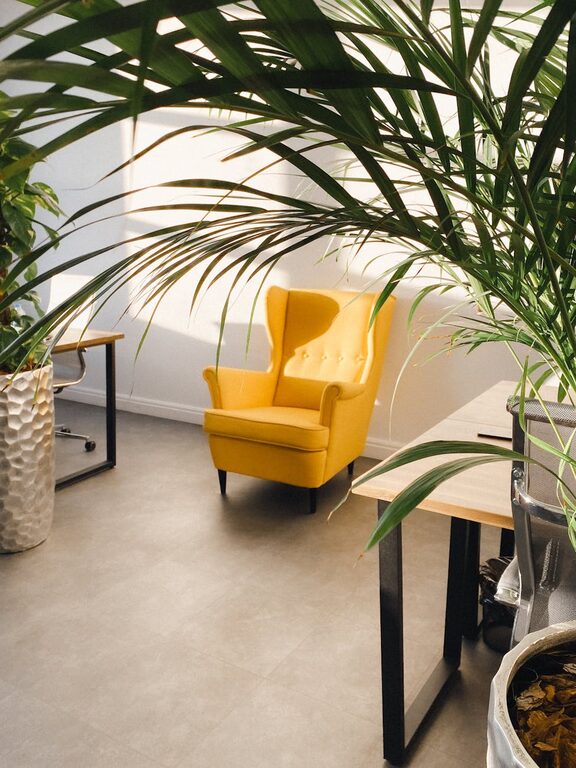
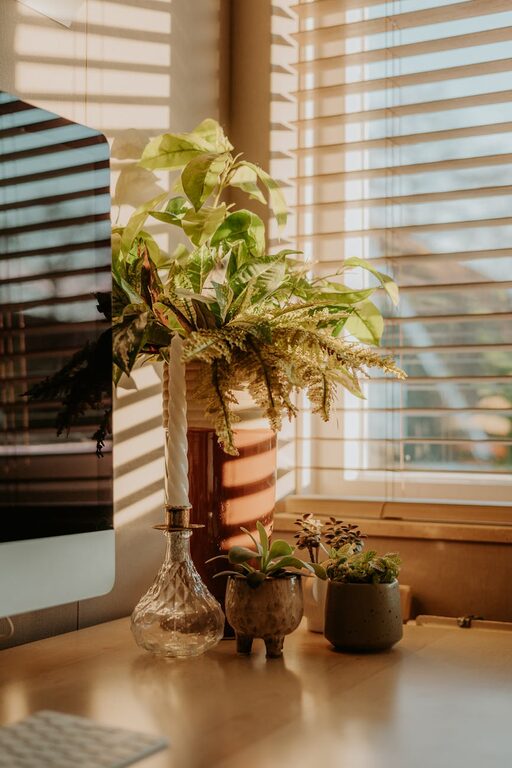
Introducing greenery into your office not only beautifies the room but can also reduce stress and improve air quality. Easy-to-care-for plants like succulents, spider plants, or peace lilies work well indoors.
Control Lighting and Temperature
Adjustable Lighting
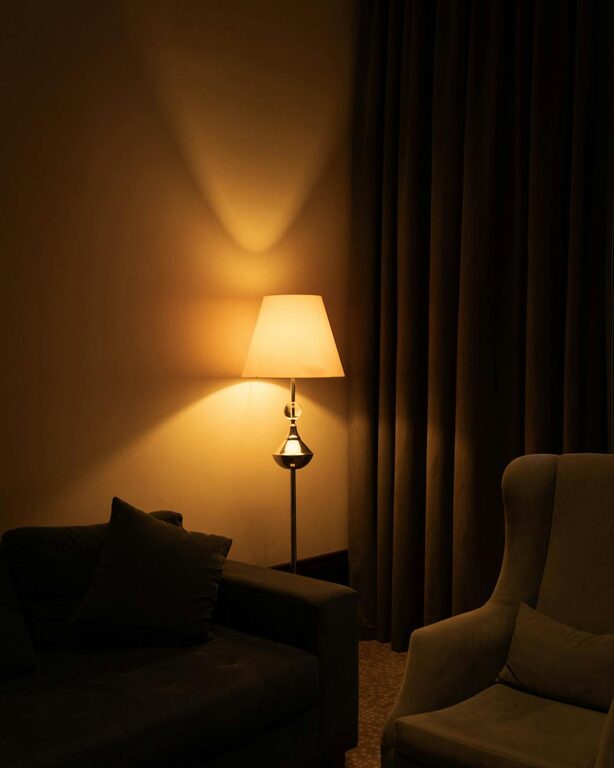
Having a combination of natural and artificial light options lets you adapt depending on the time of day. Use desk lamps with adjustable brightness to avoid glare on screens and reduce eye strain.
Comfortable Temperature
Make sure your office space stays comfortably warm or cool throughout working hours. A fan or heater can help maintain an ideal temperature, preventing discomfort that might affect concentration.
Set Clear Boundaries and Routine
Dedicated Work Hours
Defining specific working hours helps separate your professional time from personal life, even within the same space. It signals to yourself and others when you are “at work” and when you are free.
Keep Your Work and Rest Spaces Separate
If possible, avoid working in places you relax or sleep, such as your bed or sofa. This helps your mind associate your office with productivity and other areas with rest.
Use Technology Wisely
Organise Cables and Devices
Messy cables can cause frustration and clutter. Use cable organisers or clips to keep wires tidy and out of the way. Invest in a quality headset or microphone if you often participate in virtual meetings.
Optimise Your Internet Connection
A reliable and fast internet connection is essential for productivity. Position your router close to your workspace or use a wired connection for improved stability.
Prioritise Breaks and Movement
Take Regular Breaks
Avoid burnout by scheduling short breaks to stretch, walk or simply rest your eyes. Tools like the Pomodoro Technique (working for 25 minutes then taking a 5-minute break) can help maintain focus and prevent fatigue.
Incorporate Movement
Consider standing desks or balance balls as alternatives to sitting all day. Even simple stretches or short walks around your home help improve blood circulation and reduce stiffness.
Keep Hydrated and Snack Mindfully
Have Refreshments Handy
Keep a water bottle nearby and sip regularly to stay hydrated, which supports concentration. Choose healthy snacks like nuts, fruit, or yoghurt instead of sugary treats.
Creating an effective home office environment takes time and attention to detail. By choosing the right location, investing in comfortable furniture, personalising your space with calming elements, and maintaining healthy habits, you can design a workspace that enhances your well-being and productivity.
Remember, your home office should reflect your unique needs and preferences. Experiment with these tips to find the balance that works best for you. Happy working!