






Creating a home workspace that feels both relaxing and productive can significantly impact how well you work. When your environment is calming and organised, it becomes easier to focus, tackle tasks efficiently, and maintain a healthy work-life balance. This post offers practical advice on crafting a home workspace that encourages relaxation and enhances productivity.
Why a Relaxing Workspace Matters
A workspace isn’t just a place to put your laptop or paperwork; it’s an environment that affects your mood, energy levels, and concentration. A cluttered or uncomfortable space can cause stress and distraction, while a well-designed, soothing workspace can help you feel more motivated and balanced.
By focusing on comfort, organisation, and atmosphere, you can create a space that helps you work smarter, not harder.
Choose the Right Location
Consider Natural Light
Try to set up your workspace in a spot where natural light is abundant. Sunlight boosts mood and energy, reducing fatigue and eye strain. Position your desk near a window if possible, but make sure to avoid glare on your screen.
Minimise Distractions
Select a quiet area where interruptions are infrequent. If you share your home, inform family members or housemates about your work hours to minimise disturbances.
Invest in Comfortable Furniture
Ergonomic Chair and Desk
A comfortable chair with good lumbar support is essential. Sitting for long periods can cause back pain, which affects focus and productivity. Adjustable desks that allow you to alternate between sitting and standing can also be a great addition.
Adequate Desk Space
Make sure your desk is large enough to hold your computer, notebooks, and any other tools without becoming cramped. Having enough space to move freely reduces stress and helps keep everything organised.
Keep Your Workspace Organised
Declutter Regularly
Removing unnecessary items prevents your desk from becoming a mess. Only keep essentials within reach to create a neat and functional space.
Storage Solutions
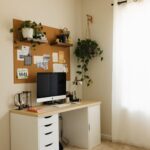
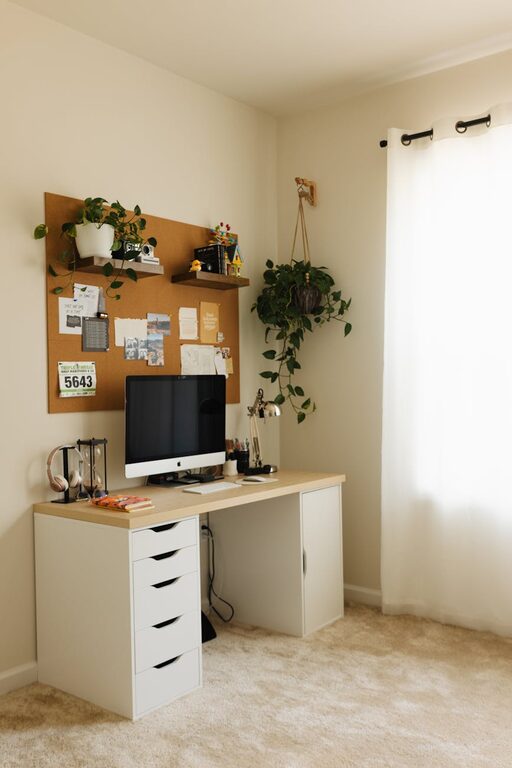
Use drawers, shelves, and organisers to store documents, stationery, and tech accessories. Clear storage containers or labelled boxes make it easier to find what you need quickly.
Personalise Your Space with Calm Elements
Colours that Promote Relaxation
Soft, neutral colours such as pale blues, greens, or greys can create a soothing atmosphere. If repainting isn’t an option, consider adding colour with accessories like cushions, rugs, or wall art.
Plants and Nature
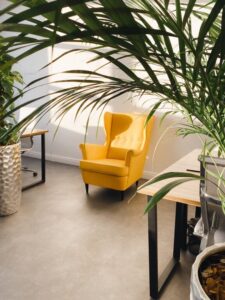
Indoor plants improve air quality and bring a touch of nature indoors, which has been shown to reduce stress and increase concentration. Easy-care plants like succulents or spider plants are good choices.
Personal Touches
Add items that make you smile or inspire you, such as photos, artwork, or small keepsakes. However, keep these to a reasonable number to avoid clutter.
Control Lighting and Noise
Adjustable Lighting
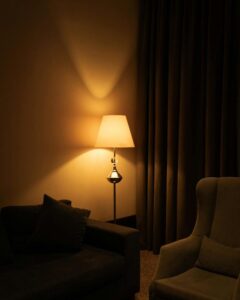
In addition to natural light, use adjustable lamps to ensure your workspace is well lit during darker hours. Soft, warm light can reduce eye strain and create a cosy atmosphere.
Manage Noise Levels
If you’re in a noisy household, consider noise-cancelling headphones or playing ambient soundtracks like gentle rain or classical music. These can help maintain focus and block distractions.
Establish a Routine and Boundaries
Set Work Hours
Having clear working hours helps you mentally switch between ‘work mode’ and ‘relaxation mode’. Communicate these hours to others in your home.
Take Breaks
Incorporate short breaks into your routine to rest your eyes, stretch, or take a quick walk. A relaxed mind is more productive and creative.
Digital Organisation
Keep your computer files organised and limit notifications during work to maintain focus.
Maintain Good Air Quality and Temperature
A fresh, well-ventilated room improves alertness and comfort. If possible, open a window regularly or use an air purifier. Aim for a comfortable temperature to avoid feeling too hot or cold while working.
Conclusion
Creating a relaxing home workspace doesn’t require expensive equipment or a large room. By choosing the right location, investing in comfort, keeping the space organised, and adding personal touches that promote calm, you can build an environment that helps you stay productive and enjoy your workday. Remember to set boundaries and take care of your wellbeing — your work will benefit from it.