


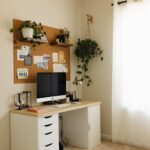



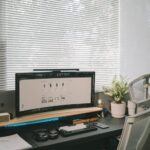
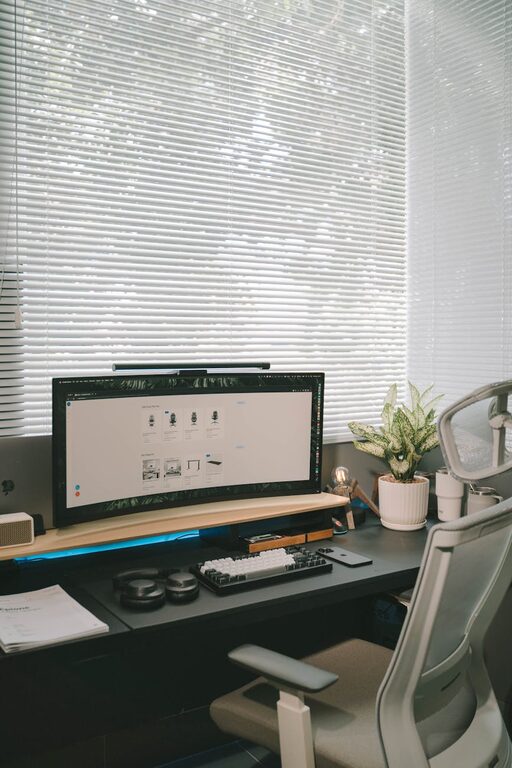
Creating a productive home office space is essential for maintaining focus, motivation, and efficiency throughout the workday. Whether you work remotely full-time or need a dedicated area for occasional tasks, designing a workspace that inspires and supports your work habits can make a significant difference. Here are some helpful tips to create a home office that promotes productivity and comfort.
Choose the Right Location
Selecting the ideal location within your home is the first step to crafting an effective workspace. Look for a quiet area with minimal distractions where you can concentrate.
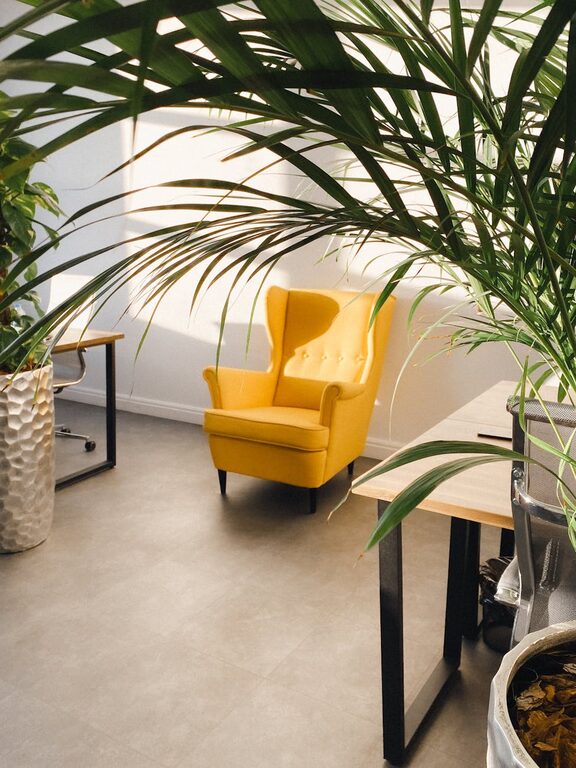
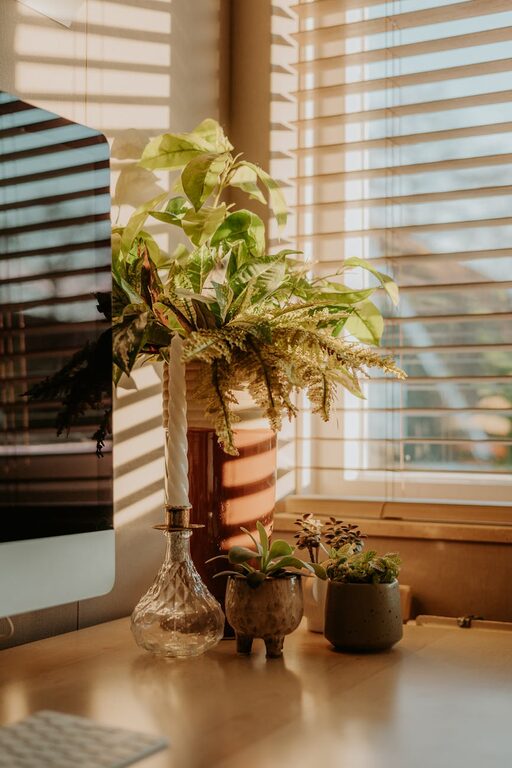
– Natural light: Position your desk near a window if possible. Natural light helps to reduce eye strain and improves your mood, making work more enjoyable.
– Privacy: Avoid high-traffic or noisy areas. A room with a door or a quiet corner can minimise interruptions.
– Space: Ensure there is enough room for your desk, chair, and any equipment you need without feeling cramped.
Invest in Ergonomic Furniture
Comfort is key to sustaining long periods of productivity. A good chair and desk are foundational investments for your home office.
– Ergonomic chair: Look for adjustable seating that supports your lower back, encourages good posture, and allows your feet to rest flat on the floor.
– Desk height: Choose a desk at an appropriate height so your arms rest comfortably at about 90 degrees when typing.
– Consider standing options: Adjustable standing desks or desk converters let you alternate between sitting and standing, promoting blood flow and reducing fatigue.
Organise Your Workspace Efficiently
A clutter-free environment helps clear your mind and focus on tasks.
– Declutter regularly: Remove unnecessary items from your desk and keep only essentials within reach.
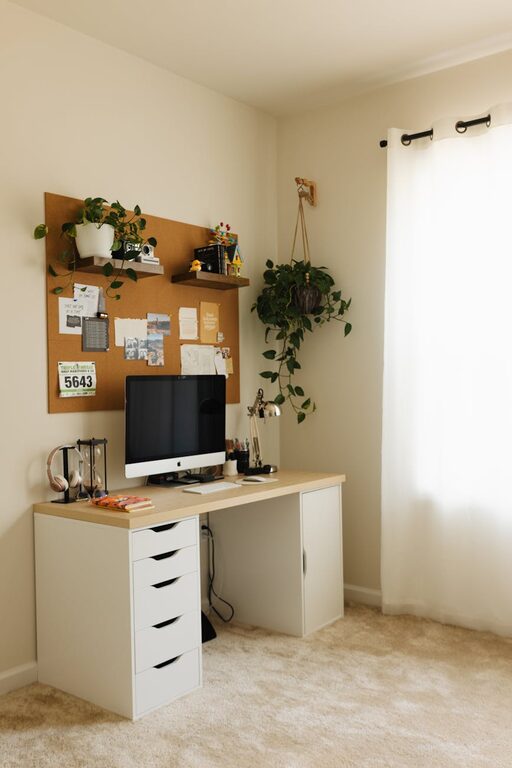
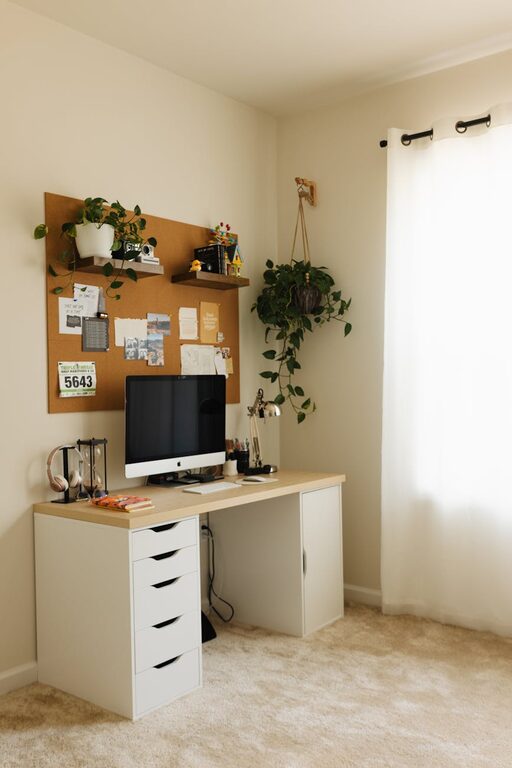
– Use organisers: Desk organizers, drawer trays, and shelves help contain stationery, documents, and gadgets neatly.
– Cable management: Use clips, ties, or under-desk trays to organise cables and avoid tangles that can cause distraction or accidents.
Optimise Lighting
Good lighting is vital for reducing eye strain and creating an inviting atmosphere.
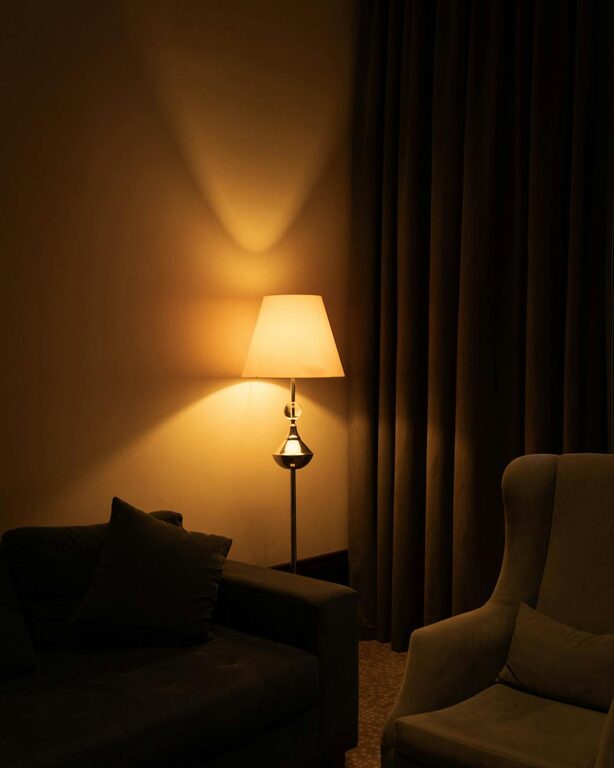
– Balance natural and artificial light: Use a combination of daylight and lamps to ensure your workspace is evenly lit.
– Task lighting: A desk lamp focused on your work area can provide additional brightness where needed.
– Avoid glare: Position screens to avoid reflections from windows and overhead lights.
Minimise Distractions
To maintain concentration, control the potential distractions in your home office.
– Set boundaries: Communicate your work hours with family or housemates to reduce interruptions.
– Use noise-cancelling headphones: These can help block out household noise, allowing you to focus.
– Limit digital distractions: Turn off non-essential notifications and use apps that help you stay focused.
Personalise Your Space
Adding personal touches can make the environment more enjoyable and motivating.
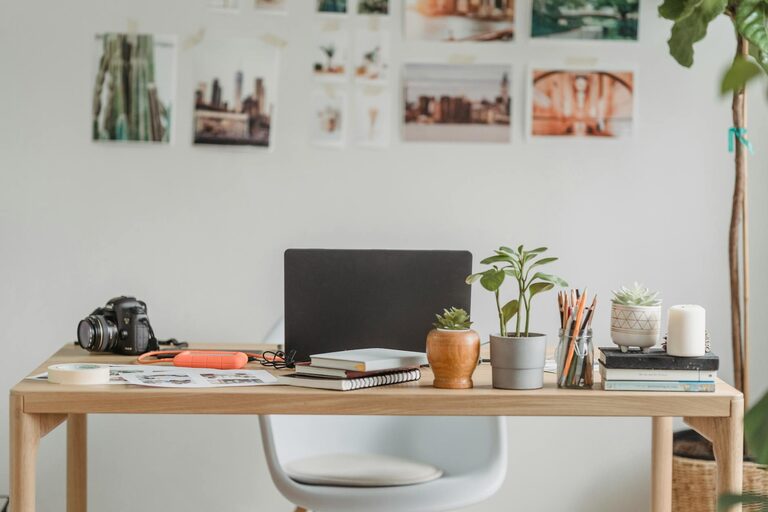
– Inspiring decor: Include artwork, plants, or photos that uplift your mood without cluttering the space.
– Comfort items: A soft cushion, throw, or a favourite mug can add warmth to your workspace.
– Colours: Choose calming colours or those that stimulate creativity, like blues or greens.
Maintain a Healthy Routine
Your workspace and routine go hand in hand in supporting productivity.
– Take breaks: Regularly stand up, stretch, or walk around to refresh your mind and body.
– Stay hydrated and nourished: Keep water and healthy snacks nearby.
– Schedule tasks: Use planners or digital tools to organise your day and prioritize tasks.
Use Technology Wisely
Technology is fundamental for efficient work, but it’s important to set it up thoughtfully.
– Reliable internet: Ensure you have a strong connection to avoid disruptions.
– Appropriate equipment: Use quality hardware such as keyboards, monitors, and webcams suitable for your tasks.
– Backup solutions: Regularly save your work and consider cloud storage to protect important documents.
—
Creating a home office that enhances productivity involves balancing comfort, organisation, and personal preference. By choosing the right location, investing in ergonomic furniture, managing distractions, and maintaining a healthy work routine, you can build a workspace that supports your best work every day. Remember, your home office should not only be functional but also a place where you feel motivated and at ease.