

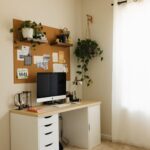
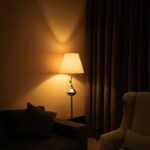
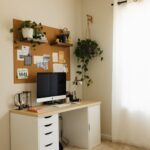

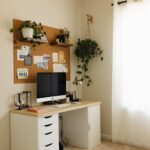



In recent years, more people than ever have found themselves working from home. While this offers flexibility and comfort, it also brings challenges in staying productive and relaxed. Creating a home workspace that supports both can make a significant difference to how you work and feel throughout the day.
This guide explores practical ideas to help you establish a balanced workspace environment that encourages focus, creativity and calm.
Choose the Right Spot
Prioritise Natural Light
Whenever possible, set up your workspace in a room or area with plenty of natural light. Sunlight improves mood and energy levels, making it easier to remain alert and motivated. Position your desk near a window but avoid glare on your screen by using adjustable blinds or curtains.
Minimise Noise Distractions
Consider the noise level in different parts of your home. If you live in a busy household or a noisy area, a quieter room will help maintain concentration. You can also use noise-cancelling headphones or ambient sound apps to block out distractions.
Invest in Comfortable Furniture
Ergonomic Chair and Desk
A comfortable chair that supports your back and encourages good posture is essential. Look for adjustable features to tailor the height and angle to your needs. Pair it with a desk at an appropriate height to prevent strain on your neck, shoulders and wrists.
Keep Essentials Within Reach
Avoid unnecessary stretching or standing by organising your workspace so that frequently used items like pens, notebooks and devices are close by. This minimises interruptions and keeps your workflow smooth.
Personalise Your Space
Add Calming Elements
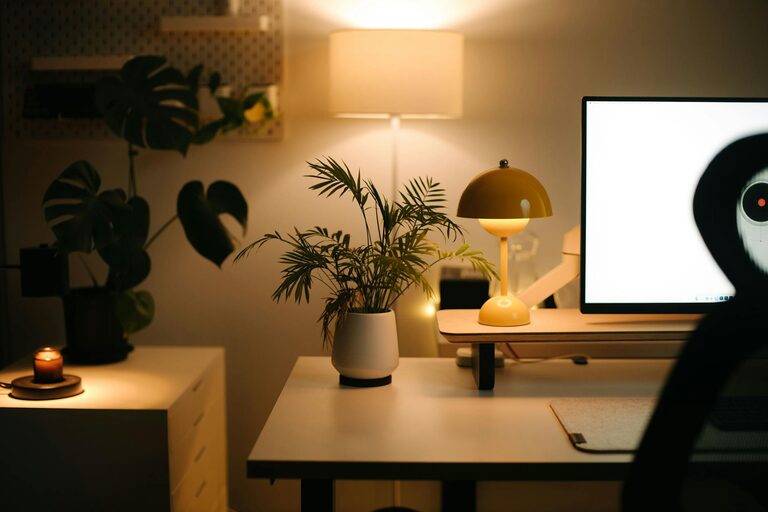
Incorporate items that promote relaxation, such as plants, which can improve air quality and add a touch of nature. You might also consider soft lighting, scented candles or a small water feature to create a soothing atmosphere.
Display Inspirational Items
Motivational quotes, artwork or photographs can encourage you and make your workspace feel inviting. Be careful not to clutter your desk with too many personal items, as this can become distracting.
Optimise Lighting
Use Layered Lighting
Combine natural light with task lighting and ambient light for the best effect. A desk lamp with adjustable brightness allows you to direct light where it’s needed, reducing eye strain.
Avoid Harsh Fluorescent Lights
If possible, avoid overly bright or flickering lights that can cause headaches or discomfort. Opt for LED bulbs with a warm colour temperature for a softer environment.
Maintain Good Organisation
Declutter Regularly
A tidy workspace helps clear the mind and improves productivity. Schedule weekly tidying sessions to remove unnecessary papers, gadgets or clutter.
Use Storage Solutions
Invest in filing cabinets, shelves or desk organisers to keep your workstation neat. Label boxes and folders for easy access to important documents.
Establish Boundaries
Designate Working Hours
Set specific start and finish times for your workday to separate professional and personal time. This helps prevent burnout and encourages a better work-life balance.
Create a "Work Zone"
If space allows, dedicate a part of your home exclusively to work. This physical boundary signals to your brain when it’s time to focus and when it’s time to relax.
Manage Technology Wisely
Invest in Reliable Equipment
Slow or faulty devices can disrupt your workflow and cause frustration. Ensure your computer, internet connection and peripherals are up to date and functioning well.
Minimise Digital Distractions
Turn off non-essential notifications and use apps or browser extensions that block distracting websites during work hours. Set clear rules for personal device use to maintain focus.
Incorporate Breaks and Movement
Take Regular Short Breaks
Stand up, stretch or take a short walk every hour to reduce fatigue and improve circulation. These breaks also refresh the mind and can boost creativity.
Use a Standing Desk or Adjustable Workspace
If possible, alternate between sitting and standing to reduce the risks associated with prolonged sitting. Adjustable desks or converters can help make this easy and comfortable.
Promote Wellbeing
Keep Hydrated and Nourished
Keep a water bottle nearby and have healthy snacks ready to maintain energy levels throughout the day.
Practise Mindfulness or Breathing Exercises
Incorporating short mindfulness sessions or breathing exercises into your routine can reduce stress and enhance concentration.
—
Creating a relaxing and productive home workspace may require some trial and error, but implementing these tips can vastly improve your work experience. With the right environment, tools and habits, you can feel comfortable, focused and motivated to get the best from your day.